Persian rugs are renowned worldwide for their artistry, history, and intricate craftsmanship. Among these, wool and silk Persian rugs stand out as particularly luxurious, blending two of the most exquisite natural fibers. These rugs, often considered works of art, have adorned palaces, museums, and homes for centuries, symbolizing both cultural heritage and opulent taste.
A Rich History Rooted in Tradition
Persian rug weaving dates back over 2,500 years, originating in ancient Persia, present-day Iran. Rugs were originally woven for practical purposes, offering warmth and protection from the harsh climate. Over time, the craft evolved into an art form, with weavers incorporating elaborate designs inspired by nature, mythology, and daily life.
The choice of materials—specifically wool and silk—has long been significant. Wool is known for its warmth, durability, and ease of dyeing, making it an ideal foundation for rugs used in high-traffic areas. Silk, on the other hand, is prized for its softness, sheen, and ability to hold incredibly fine detail, often reserved for more decorative pieces.
Wool: The Sturdy Foundation of Persian Rugs
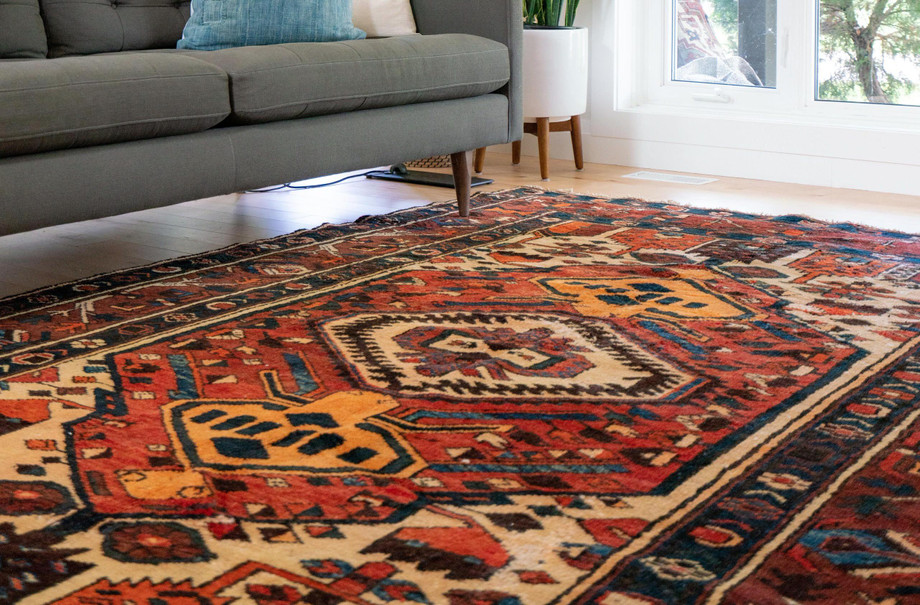
Wool is the traditional material of choice for most Persian rugs due to its versatility and resilience. Sourced from sheep, the wool used in Persian rugs is soft yet strong, capable of withstanding years of use without losing its charm. High-quality wool retains dye exceptionally well, allowing weavers to create rich, vibrant colors that remain vivid over time.
Wool Persian rugs often feature intricate patterns, including floral motifs, geometric designs, and medallions. These patterns are meticulously hand-knotted by artisans, who may spend months or even years completing a single rug, depending on its size and complexity.
Silk: Adding Opulence and Detail
Silk, used either as a primary material or in combination with wool, elevates the artistry of Persian rugs. When woven entirely from silk, these rugs have an unparalleled sheen, giving them a luminous quality that changes with the light. Silk allows for the creation of finer, more intricate designs because of its thin, delicate fibers. The knots can be tied more tightly, allowing for greater detail and intricacy in the patterns.
Many Persian rugs combine wool with silk accents, highlighting specific areas of the design, such as floral motifs, borders, or medallions. This blend creates a striking contrast between the rich, matte texture of wool and the shimmering elegance of silk.
Craftsmanship: The Heart of Every Persian Rug
The creation of a Persian rug is a labor-intensive process that requires immense skill and patience. Artisans use a hand-knotting technique, where each knot is tied individually, a method passed down through generations. This painstaking process results in rugs that can last for decades, even centuries, making them highly prized collectibles.
The weaving of wool and silk Persian rugs often takes place in specific regions of Iran, each known for its distinct style. For example, the city of Qom is famous for its luxurious silk rugs, while Tabriz and Isfahan are known for their intricate wool and silk blends.
Investment in Art and Luxury
Owning a wool and silk Persian rug is not only about adding beauty to a space but also making an investment. These rugs appreciate in value over time, especially if well-maintained. The combination of high-quality materials, expert craftsmanship, and intricate design makes them valuable heirlooms, passed down through generations.
Conclusion: A Symbol of Timeless Elegance
Wool and silk Persian rugs are more than just floor coverings; they are a celebration of artistry, culture, and history. Whether used to adorn a modern living space or as a statement piece in a traditional setting, these rugs bring warmth, beauty, and sophistication. Their durability and exquisite craftsmanship ensure that they will continue to be treasured for generations to come.
For More Info:-
Comments
Post a Comment