Exploring the Rich History and Artistic Craftsmanship Behind These Timeless Textiles
Oriental carpets and rugs have captivated collectors and enthusiasts for centuries with their intricate designs and rich cultural heritage. Renowned for their beauty and craftsmanship, these textiles are more than just decorative items; they are woven pieces of history that reflect the artistic traditions and cultural values of their regions of origin.
The Historical Roots of Oriental Carpets and Rugs
The art of carpet weaving can be traced back to ancient civilizations, with the earliest known examples emerging from the region spanning modern-day Iran, Turkey, and Central Asia. Historical records suggest that the art of weaving carpets and rugs began as early as the 5th century BC, with the famous Pazyryk Carpet—discovered in a Siberian burial mound—serving as one of the oldest surviving examples.
Oriental carpets and rugs were traditionally created in various regions, each with its unique style and technique. Persian rugs, for instance, are renowned for their elaborate patterns and vibrant colors, often depicting floral and geometric motifs that have symbolic meanings. Turkish rugs, on the other hand, are known for their bold, geometric designs and use of rich, warm colors. Central Asian rugs typically feature intricate patterns and are celebrated for their durability and craftsmanship.
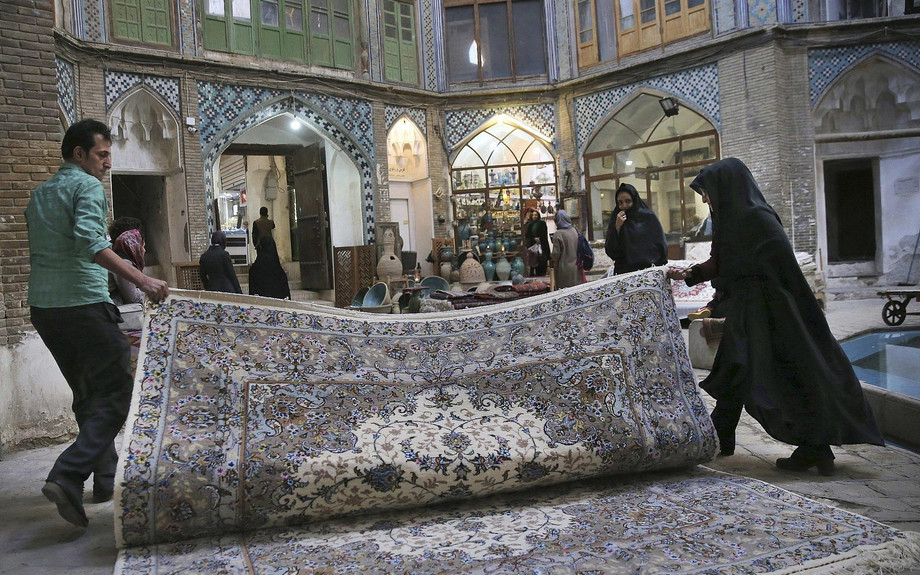
The Art of Weaving: Techniques and Traditions
The craftsmanship behind Oriental carpets and rugs is a meticulous process that involves several steps. Traditionally, skilled artisans, often working in family workshops, use techniques that have been passed down through generations. The process typically begins with selecting high-quality wool or silk, which is then dyed using natural dyes made from plants, minerals, and insects.
The weaving process involves knotting individual threads onto a loom to create the intricate patterns and designs. The two primary knotting techniques used in Oriental carpets are the Persian (or Senneh) knot and the Turkish (or Ghiordes) knot. The Persian knot is known for its versatility and ability to create fine details, while the Turkish knot is favored for its durability and clarity of design.
Patterns and Symbolism
Oriental carpets and rugs are distinguished by their rich patterns and symbolic meanings. Common motifs include floral designs, such as roses and lilies, which symbolize beauty and prosperity. Geometric patterns often represent elements of the natural world or spiritual concepts. For example, the ‘Medallion’ design, frequently seen in Persian rugs, is believed to symbolize protection and unity.
Each region and even individual weavers have their signature styles, which can often be traced back to specific tribes or cultural influences. This diversity in design not only adds to the aesthetic appeal of Oriental carpets but also makes them valuable cultural artifacts that offer insight into the values and traditions of their creators.
Caring for Oriental Carpets and Rugs
Maintaining the beauty and longevity of Oriental carpets and rugs requires proper care. Regular vacuuming helps to remove dirt and debris, while professional cleaning is recommended for more thorough maintenance. Avoiding direct sunlight and rotating the rug periodically can also help to prevent uneven wear and fading.
Additionally, Oriental carpets and rugs are often passed down through generations, becoming treasured heirlooms. Their durability and timeless appeal ensure that they continue to be valued not just for their beauty but also for their historical significance.
Conclusion
Oriental carpets and rugs are much more than decorative pieces; they are a celebration of artistic mastery and cultural heritage. Their intricate designs and rich history make them timeless treasures that continue to captivate and inspire. Whether you are an avid collector or simply appreciate fine craftsmanship, the world of Oriental carpets and rugs offers a fascinating glimpse into a tradition that has endured and evolved over centuries.
For More Info:-
Comments
Post a Comment