Tribal Persian rugs, known for their intricate designs, vibrant colors, and rich cultural heritage, are more than just decorative floor coverings. These handwoven masterpieces tell the stories of the nomadic tribes who crafted them, making each rug a unique piece of art with historical and cultural significance. In this article, we will explore the origins, characteristics, and enduring appeal of tribal Persian rugs.
Origins and Cultural Significance
Tribal Persian rugs originate from the various nomadic tribes of Iran, such as the Qashqai, Baluch, and Bakhtiari, among others. These tribes have been weaving rugs for centuries, passing down their skills and traditions through generations. The rugs were not only functional items used to cover the floors of tents and homes but also served as a form of expression and storytelling. Each rug reflects the tribe’s identity, beliefs, and environment, with motifs often symbolizing elements of nature, animals, and spiritual beliefs.
Distinctive Characteristics
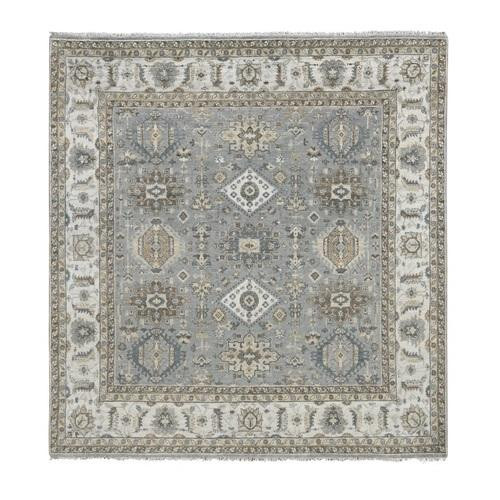
One of the most striking features of tribal Persian rugs is their distinct, geometric designs. Unlike the more formal, floral patterns seen in city-made Persian rugs, tribal rugs are characterized by bold, abstract motifs. These designs are often asymmetrical and spontaneous, reflecting the freedom and creativity of the weaver.
The color palette of tribal Persian rugs is another defining feature. Natural dyes derived from plants, roots, and insects were traditionally used to create vibrant hues of red, blue, green, and yellow. Over time, these colors soften, giving the rugs a beautifully aged appearance.
The materials used in tribal rugs also contribute to their unique texture and durability. Wool is the primary material, valued for its warmth, softness, and resilience. In some cases, goat or camel hair may be incorporated, adding a different texture or sheen to the rug.
Weaving Techniques
The craftsmanship involved in creating a tribal Persian rug is meticulous and time-consuming. Weaving is done by hand on a horizontal or vertical loom, with the weaver tying individual knots to create the rug’s pile. The knot density, measured in knots per square inch (KPSI), varies depending on the tribe and the intended use of the rug. Generally, tribal rugs have a lower knot density than city-made rugs, but this does not detract from their beauty or value. Instead, the coarser weave adds to their rustic charm.
The Enduring Appeal of Tribal Persian Rugs
In today’s world, where machine-made rugs are readily available, tribal Persian rugs continue to be highly sought after by collectors and interior designers alike. Their authenticity, cultural significance, and timeless aesthetic make them a prized possession in any home.
Beyond their decorative appeal, tribal Persian rugs represent a connection to a rich cultural heritage. They embody the spirit and resilience of the nomadic tribes, who despite their hardships, created objects of beauty and meaning. Owning a tribal Persian rug is not just about having a beautiful floor covering; it’s about appreciating the artistry and history woven into every knot.
Conclusion
Tribal Persian rugs are more than just rugs; they are pieces of living history. Each rug tells the story of its maker, their tribe, and their way of life. Whether used as a focal point in a modern living room or as a cherished family heirloom, these rugs bring a sense of warmth, character, and cultural richness to any space. Their enduring appeal lies not only in their aesthetic beauty but in the stories they carry—a testament to the timeless artistry of the nomadic tribes of Persia.
Comments
Post a Comment