Discovering the Rich Heritage and Craftsmanship Behind These Exquisite Textiles
Tribal Persian rugs are not just decorative items; they are a vibrant expression of cultural heritage, artistry, and craftsmanship that have been passed down through generations. Renowned for their intricate designs and rich colors, these rugs tell stories of the nomadic tribes of Persia and their deep connection to the land. In this article, we explore the history, characteristics, and significance of tribal Persian rugs.
A Glimpse into History
The art of rug weaving in Persia dates back thousands of years, with tribal rugs emerging from various nomadic communities across the region. These tribes, such as the Bakhtiari, Qashqai, and Luri, crafted rugs not only for functional purposes but also as a means of artistic expression. Each rug reflects the unique identity of its maker, showcasing patterns and motifs that represent the tribe’s culture, beliefs, and environment.
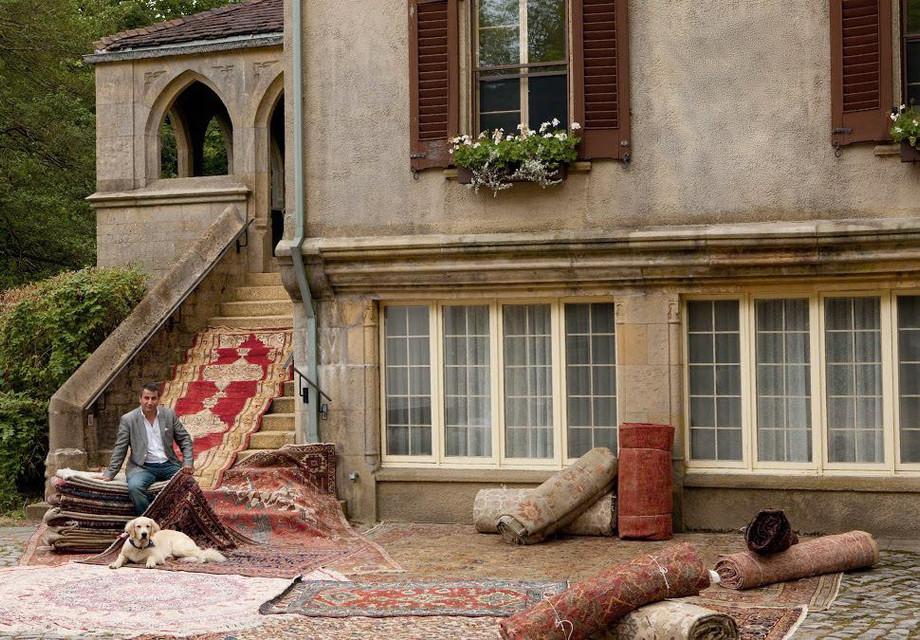
Distinctive Features of Tribal Persian Rugs
1. Unique Designs
Tribal Persian rugs are characterized by their geometric patterns, vibrant colors, and bold motifs. Unlike the more formal designs of city rugs, tribal rugs often feature abstract shapes, stylized animals, and symbolic representations that convey personal and cultural stories.
2. Rich Color Palettes
The color palettes of tribal Persian rugs are typically derived from natural dyes sourced from plants, minerals, and insects. Common colors include deep reds, blues, and earthy tones, creating a striking visual impact that enhances any space.
3. Durable Craftsmanship
Handwoven using traditional techniques, tribal Persian rugs are renowned for their durability. Made from high-quality wool or natural fibers, these rugs are designed to withstand the wear and tear of everyday life, making them not only beautiful but also practical.
The Cultural Significance
Tribal Persian rugs hold deep cultural significance for the communities that create them. They often serve as a means of storytelling, preserving the history and traditions of the tribe. Each rug is imbued with meanings that reflect the spiritual beliefs, social values, and experiences of the weaver, creating a profound connection between the artisan and their craft.
Caring for Your Tribal Persian Rug
To maintain the beauty and integrity of a tribal Persian rug, proper care is essential:
Regular Cleaning: Vacuum regularly to remove dirt and dust, but avoid using a beater bar that can damage the fibers.
Professional Cleaning: For deep cleaning, seek out professionals who specialize in antique and handwoven rugs to prevent damage.
Avoid Direct Sunlight: Prolonged exposure to sunlight can fade colors. Place rugs in shaded areas or use curtains to protect them.
Conclusion
Tribal Persian rugs are more than just decorative pieces; they are treasures that embody the rich cultural heritage of the nomadic tribes of Persia. With their unique designs, vibrant colors, and durable craftsmanship, these rugs serve as a testament to the artistry and history of their creators. Investing in a tribal Persian rug not only enhances your home but also connects you to a timeless tradition that continues to inspire and captivate. Whether you are an avid collector or a first-time buyer, these rugs promise to bring warmth, beauty, and a story into your living space.
For More Info:-
Comments
Post a Comment