
Do you fully understand the details of your Persian rugs?

Persian Hairpieces have been the pride of Persian Culture for a long time. The manner in which they're weaved has been an astral incarnation of Persian Culture and Art and dates all the way back to Ancient Persia. These traditional hairpieces have captured the attention of a lot of people around the world. This is vindicated by Iran's( Ancient Persia) exports of hand-woven Persian Hairpieces which was$ 420 million in 2008, comprising of 30 percent of the total trade made. 

 
Close to1.2 million needlewomen in Persia are employed to weave, producing carpets for both domestic and transnational requests likewise. 


You may be a proud proprietor of Persian Hairpieces. But also how intricately do you know your pieces? The mattresses are primarily divided into 3 groups. These would be Farsh/ Qali, Qalicheh and Gleim. Gleim includes both Kilim and Soumak. 
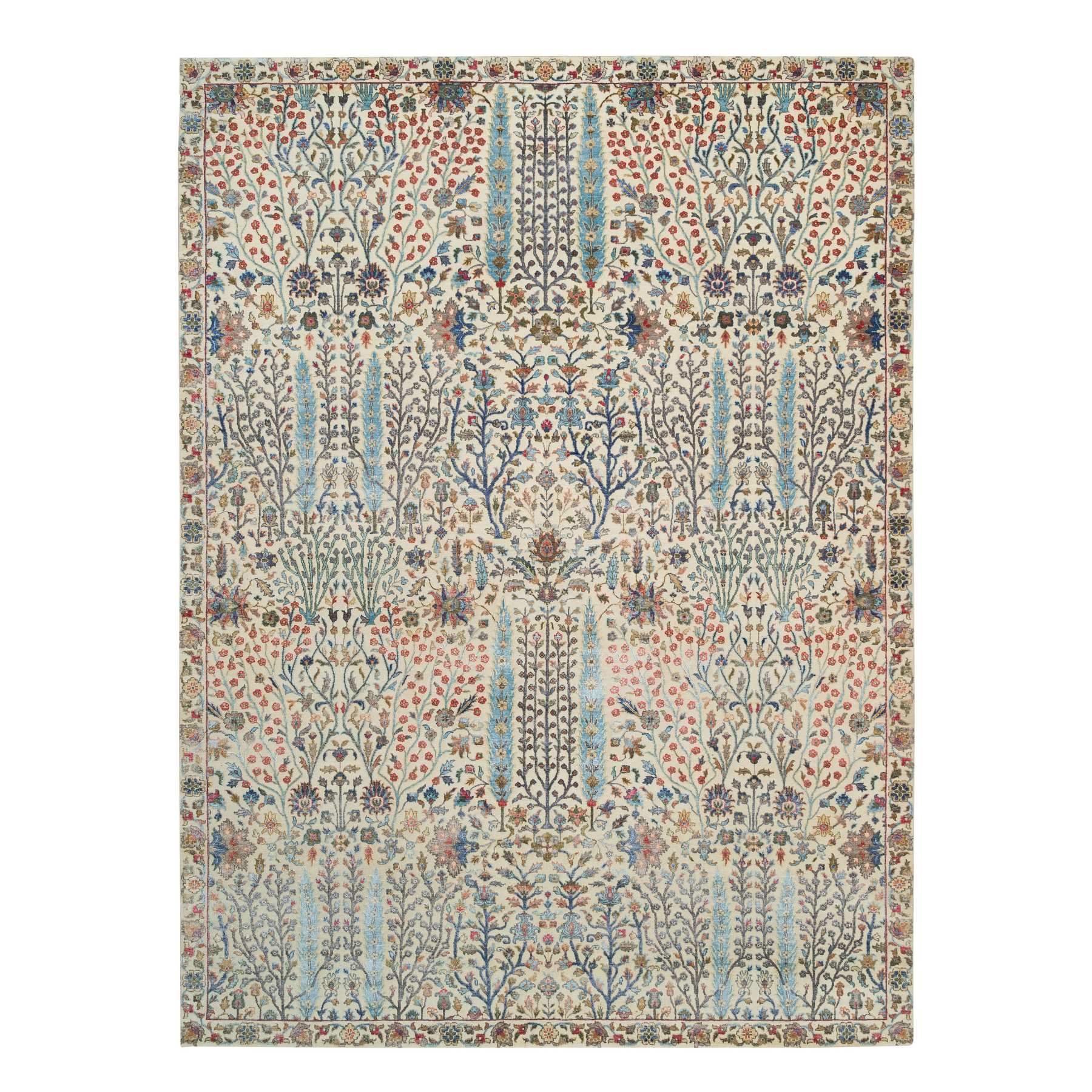

 
Their designs, motifs, and patterns are affable to the point of being exceptionally lovable. The layouts and designs generally include one or a further number of motifs. utmost of the original designs retain the tones they had decades back. The original designs have been also known as the main pattern' and the derivates being the' sub pattern'. 


Persian Hairpieces are known to be woven in 19 different patterns. These would be Shah Abbassi, helical, each- Over, Secondary, Interconnected, Paisley, Tree, Turkoman, Hunting Ground, panel, European Flower, Vase, Integrated Fish, Mehrab, Striped, Geometric, ethnical and mixes. 
 
Designs on these traditional hairpieces cover the entire field. One may serve the whole field. One may simply cover the face by a pattern of repeating numbers. The patterns are a little different on rectilinear designs. They again vary on curvilinear designs. Each forecourt becomes a knot. This allows for accurate rendition of indeed the most complex designs. The designs have hardly changed over centuries. 
The layout in Persian Hairpieces demonstrates four patterns. These are each- over, central order, cube and one- sided. Some of the abstract asymmetrical designs can be set up but utmost of these can be described as one- sided or unidirectional. 
 
The motifs are indeed better. A' Persian' word for' Pattern', these have different meanings and tend to be used depending on the area the hairpiece was woven although it isn't unusual to find further than one motif in a single piece.


The material used in these mattresses in utmost cases is hair. Cotton too is used on a veritably frequent base. Some of these include Kork hair, Manchester hair, and also in numerous cases, Camel Hair hair. These are displayed on tapestries as a charm of rich Persian Culture. 
 
Some of the most generally known motifs include Boteh, Gul, Herati, Mina- Khani, Ensign, Shah Abbasi, Azari Kharchang and Islimi Floral. 


The piece you have laid out on the bottom of your carpet might be having one of these. Identify it first. See what design and texture numbers on it. maybe some exploration can make the job easier. Most importantly, feel proud of being in possession of a part of Cherished Persian Culture. You can know it more nearly.

For More Info:-

Hand Knotted Tribal Rugs

handmade oriental rugs

Comments

Popular posts from this blog

Must Know Qualities of Antique Persian Rugs

Chasing for the all-unique antique Persian floor coverings may take brains and experience. Neighborhood shops and show focuses may present heaps to piles of determinations to browse be that as it may, the certifiable thing may be missing. Building up a hawk's eye in scan for the true piece calls a need. It takes various things to tolerate at the top of the priority list managing the collectibles. From knowing the history and different foundations, spots of inception, materials utilized , weaving designs and even the structures are an absolute necessity . All together not to get tricked, requiring the exertion of realizing the essentials is similarly as significant as having the bona fide things close by. In any case, if managing collectibles as your natural enthusiasm , every one of these things to know are as straightforward as a bit of cake . One of the most significant things to think precisely about antique Persian mats and covers is with respect to their pl...

The Allure of Persian Rugs in New Jersey: A Timeless Elegance for Every Home

  Persian rugs have long been celebrated for their intricate designs, vibrant colors, and exceptional craftsmanship. In New Jersey, where cultural diversity thrives, these exquisite pieces of art have found a special place in homes and businesses alike. Whether you are a seasoned collector or a first-time buyer, understanding the allure of Persian rugs can elevate your home’s aesthetic while connecting you to a rich tapestry of history. The Rich Heritage of Persian Rugs Originating from the vast landscapes of Iran, Persian rugs are not merely floor coverings; they are a manifestation of centuries of tradition and artistry. Each rug tells a story through its patterns and motifs, often inspired by nature, mythology, or the rich cultural heritage of the region it comes from. The labor-intensive process of weaving these rugs requires skilled artisans who spend months, if not years, perfecting their craft. In New Jersey, this appreciation for the art of Persian rugs resonates stron...

The Enduring Beauty of Oriental Carpets and Blue Afghan Rugs

  For centuries, handcrafted rugs have been more than just floor coverings—they’ve been symbols of culture, craftsmanship, and personal style. Among the most sought-after in this tradition are  oriental carpets and rugs , known for their intricate patterns, deep history, and luxurious textures. Within this category, the blue Afghan rug stands out as a bold yet timeless choice that adds depth and character to any space. The Art Behind Oriental Carpets and Rugs Oriental carpets and rugs are not mass-produced items—they’re woven stories. Originating from regions like Persia, Turkey, India, and Central Asia, these rugs carry generations of skill in every knot. They are typically hand-knotted using natural dyes and wool, often featuring floral, geometric, or tribal motifs that represent the weaver’s cultural heritage. What sets oriental rugs apart is their attention to detail and craftsmanship. The time it takes to create one rug can span months or even years. Each pattern...