Antique Persian Kirman rugs are one of the best-known types of rugs known to man, and they are a luxury item that many of us would love to own and display in our own homes.
The region of Kirman used to be a very lonely and isolated place, but now it is one of the more popular cities found in Iran. The majority of families in Kirman are now nut farmers or miners, but as long as 500 years ago the villagers of Kirman would have been known for their rug making, rugs that are now known throughout the world.
Antique Persian Kirman rugs would have been woven by only the very best craftsman in the village. The rugs were always woven very tightly, but they were also woven with extremely care and woven with intricate and complicated designs. That is why they are so popular today because of the work that went into making them look so good. Years ago the rugs would have been made mainly for the weaver's own family and friends, with only a few rugs being sold for money or traded for food. That is not the case these days as rugs are more commercially produced to satisfy the demands of the European and American collectors who strive to get their hands on such valuable pieces.
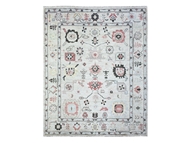
The majority of Antique Persian Kirman rugs would have had flowers or some other form of floral design woven into them. Red was one of the main colours used in the making of Kirman rugs, a colour that gives off a feeling of luxury and wealth, even class. Other vibrant colours would have been used as well like bright blues and greens, and because only natural and organic materials were used they have kept their colour throughout time. Also, the weavers would sometimes weave their names or signatures into the rugs though it would sometimes be hard to find. Some of the more well-known weavers who did sign their work were the Castelli brothers who were famous in the late 1800s.
Rugs would have been relatively small compared to some of the larger rugs you can find in stores today. This is because the villagers would move from village to village living a more nomadic lifestyle; therefore rugs would be easily transported from village to village along with their weaving looms and other equipment.
More and more people are collecting rugs these days as they are only increasing in value and they are seen as a very sound investment indeed. Interior designers are also very keen to use rugs and more especially antique Persian Kirman rugs in their homes and projects. A rug can add a touch of class to any room when seen hanging from the wall. Using a rug as a wall covering rather than its intended use will help to protect and preserve it, especially if it is a rare piece. If you do have a rare antique Persian Kirman rug and you are concerned about how it looks it may pay you to consult an antique restorer. They will be able to advise you on what course of action you need to take but do not under any circumstances attempt to clean the rug yourself.
There are many dealers throughout the world who now buy and sell antique Persian Kirman rugs, just browse the internet and see for yourself what is available. Buying one for your family could prove to be a very shrewd financial investment in years to come.
For More Info:-
Comments
Post a Comment